Why “Més que un club” matters
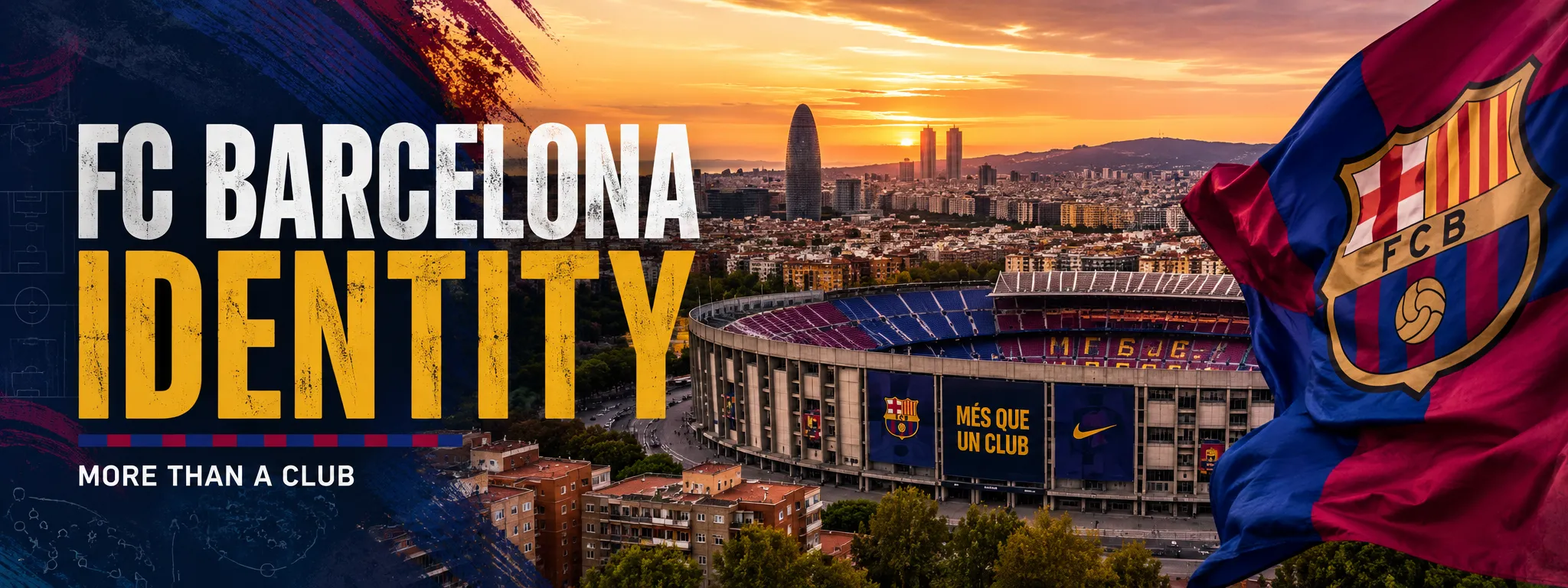
FC Barcelona is impossible to explain only through trophies. The club's famous Catalan phrase Més que un club — “More than a club” — became widely associated with Barça after club president Narcís de Carreras used the idea in his 1968 inauguration speech. The club itself links the phrase to Catalan identity, democratic member ownership, social commitment, youth development, women's sport and its role as a multisport institution.
That does not mean every Barcelona resident supports Barça, or that football neatly represents the city's politics. It means the club has accumulated cultural meaning far beyond match results. For a visitor, understanding that layer makes shirts, flags, chants and football conversations around the city much easier to read.
Barça and Catalan identity
FC Barcelona openly describes itself as proud of its roots in Barcelona and Catalan identity and culture while also presenting itself as a global club. That dual identity matters. The club grew into a public symbol in periods when Catalan language and political expression were restricted, especially under the Franco dictatorship, so football offered a highly visible space for collective identity.
Avoid the lazy version of the story in which Barça simply equals one political position. Modern Catalonia is diverse, supporters disagree with one another, and the club is a global institution with commercial and sporting interests. The better takeaway is that Barça is one of the places where sport, language, history and identity visibly overlap.
A member-owned institution
Barça is structured around its socis, or members. The club's official identity material emphasises that members take part in major democratic decisions rather than the club being owned by a private individual or company. That ownership model is part of the “more than a club” story and helps explain why internal elections and governance can become major city news.
La Masia and the idea of a Barça style
La Masia, the club's youth-development system, is central to how Barça talks about itself. The point is not only producing first-team players; the club frames it as education through sport. Alongside that sits the idea of a recognisable style of play — historically associated with possession, passing and technically confident football — as something worth preserving even while coaches and tactics change.
Visitors sometimes reduce this to the Guardiola-era men's team. The identity is broader and older than one coach or generation, and the club continues to use La Masia and “our own style” as formal pillars of its institutional story.
More than the men's football team
FC Barcelona is a multisport club. Its official identity includes basketball, handball, roller hockey and futsal, while the women's football programme has become one of the most visible parts of the modern club. If you are interested in sport rather than only global celebrity football, checking the wider Barça schedule can reveal a very different side of the institution.
The anthem and match-day language
The current club anthem, Cant del Barça, was created for the club's 75th anniversary in 1974. Its language is Catalan, and the lyrics emphasise supporters coming from different places and being united under the Barça colours. Hearing Catalan around a match is therefore not decorative branding; it is part of how the club formally presents itself.
You do not need to learn chants before attending. Knowing a few basics — Barça, blaugrana for the blue-and-garnet colours, and Més que un club — is enough context to recognise what you are seeing and hearing.
How the club shows up around Barcelona
Barça shirts and flags are visible well beyond a stadium district, and major matches can change the atmosphere in bars and public spaces across the city. Local interest also means fixture days can affect transport demand and restaurant crowds. If a big match coincides with your trip, check official match information and transport notices rather than relying on an old blog's stadium routine.
Football also intersects with neighbourhood identity. Les Corts is historically tied to Barça's stadium presence, while bars across the city have their own supporter cultures. Our Les Corts guide gives the district context rather than treating it as merely a place to arrive for kickoff.
For visitors who are not football fans
You do not need to attend a match to understand why Barça matters. The club is a useful doorway into Catalan language, civic identity, mass membership, youth sport and the way a global brand can remain intensely local. Even if football leaves you cold, that cultural role helps explain part of modern Barcelona.
Where to check current club information
For fixtures, venue arrangements, museum or tour access and ticketing, use FC Barcelona's official site. Stadium operations have changed during the Espai Barça redevelopment, so practical visit advice is especially vulnerable to becoming outdated. This page focuses on the durable cultural context rather than hard-coding temporary match-day arrangements.